Lead Poisoning Prevention Month: Protect your family from hidden household hazards
Fall Issue
October is Lead Poisoning Prevention Month, a time to raise awareness about the dangers of lead exposure and how families can protect themselves. Lead poisoning is preventable, but lead can be found in unexpected places, including some household products and items used every day.
Lead can enter the body when contaminated dust or particles are swallowed or inhaled. It can also leach from certain products into food and beverages. Household items that may contain lead include:
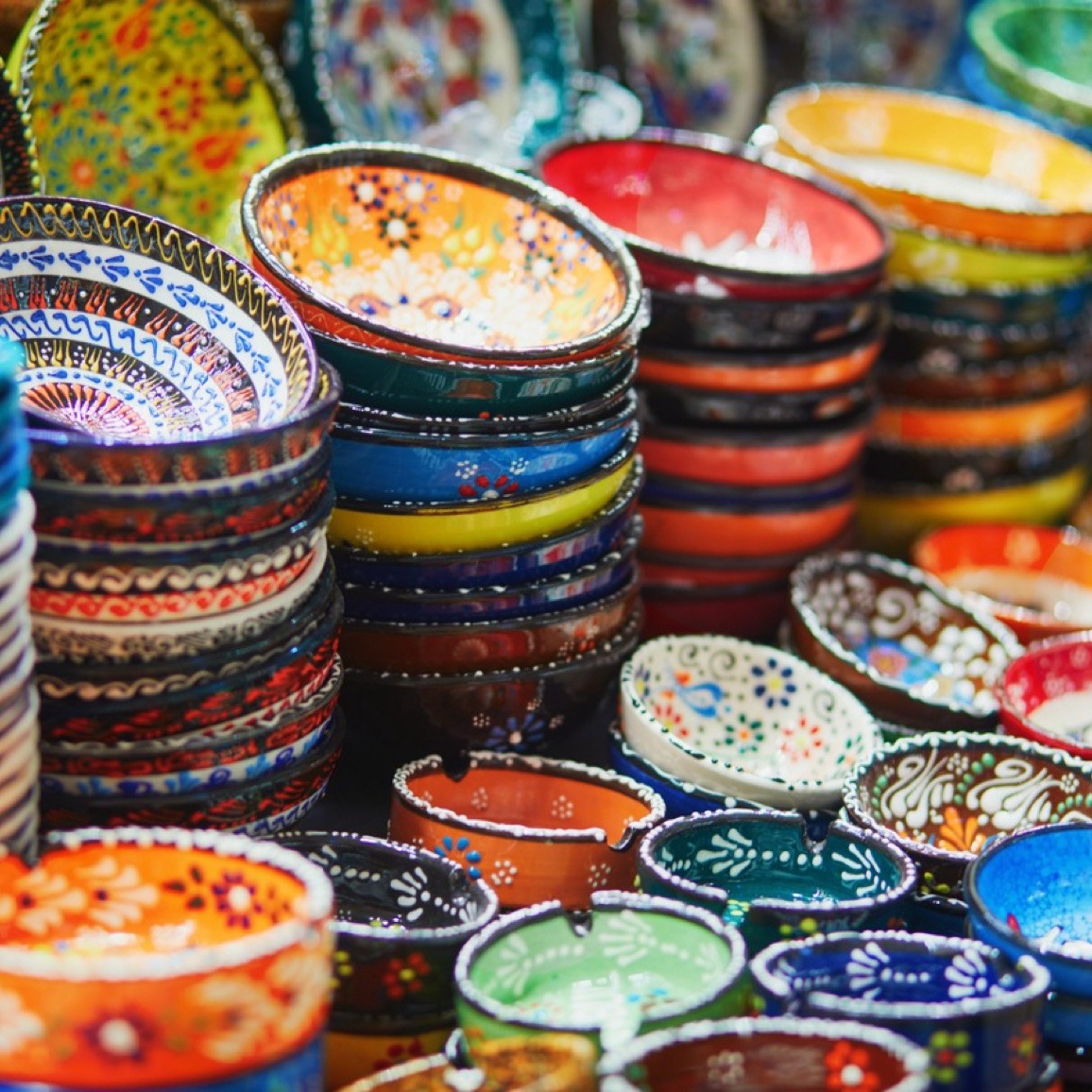
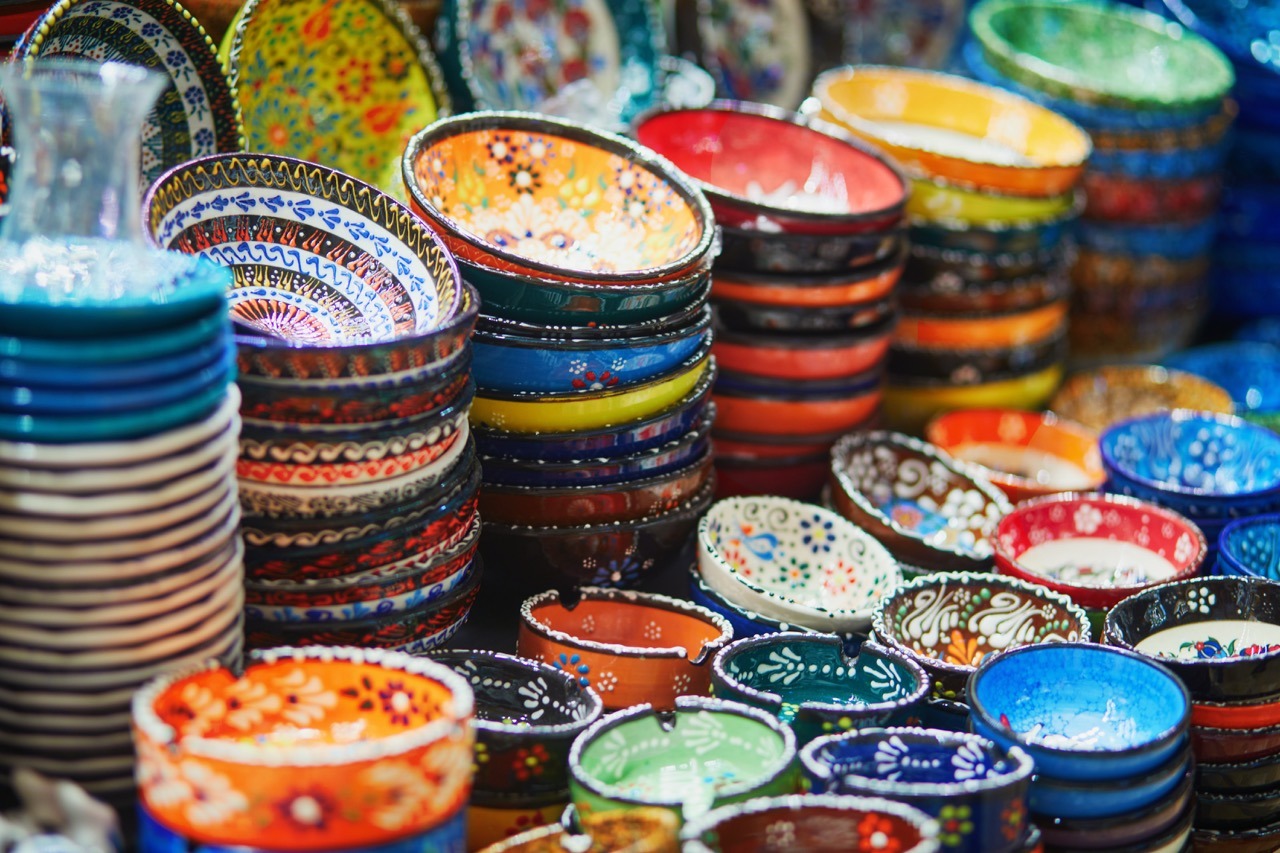
- Traditional pottery and ceramics: Some decorative glazes on bowls, pitchers, mugs and cookware may contain lead, which can leach into food or beverages.
- Imported products: Some cosmetics, traditional spices, cookware and other imported products.
- Keys and key chains: Some may contain lead.
Children younger than age 6 are particularly vulnerable because their brains and nervous systems are still developing. Children often put their hands and objects in their mouths, increasing their risk of exposure.
Lead poisoning often causes no obvious symptoms. A blood lead test is the most reliable way to determine whether a child has been exposed. Lead exposure can contribute to:
- Learning and behavioral problems
- Reduced IQ and developmental delays
- Speech and hearing problems
- Anemia
- Damage to the brain and other organs
Have a product you’re concerned about? Get it tested for free.
The Southern Nevada Health District offers free lead testing for consumer products. The test does not damage the item, and results are available immediately.
When: Every Monday, 7:30 to 9:30 a.m.
Where: 280 S. Decatur Blvd., Las Vegas, NV 89107
Cost: Free; no appointment required
Can’t attend during these hours? Email SNHD_EHoutbreaksupport@snhd.org to schedule a visit.
Take these precautions
- Ask about blood lead testing. Talk with your child’s health care provider about whether your child should have a blood test.
- Be cautious with imported or decorative dishware. Avoid storing or serving food in decorative or imported ceramic dishware unless you know it is safe for food use.
For more information about lead poisoning and prevention, visit Lead Poisoning Facts.