
Q&A: Protecting Yourself and Your Family During Extreme Heat
Summer Issue
Extreme heat is one of the most significant health risks facing Southern Nevada residents and visitors each summer. Prolonged exposure to high temperatures can lead to serious illness and even death, particularly among young children, older adults and people with underlying health conditions. In this Q&A, Southern Nevada Health District Epidemiologist Alexis Brignola discusses heat-related health risks and shares practical tips to help individuals and families stay safe during the hottest months of the year.
Why is extreme heat such an important public health issue in Southern Nevada?
Southern Nevada experiences frequent and prolonged periods of extreme heat during the heat season, making it a significant public health concern. Extreme heat can cause serious illness and death, especially among vulnerable populations, while also increasing demands on emergency and public health services.
What are the warning signs of heat-related illnesses such as heat exhaustion and heat stroke?
Heat exhaustion includes signs of heavy sweating, nausea or vomiting, dizziness, and muscle cramps. Heat stroke is more severe and symptoms include:
- High temperature of 103 degrees
- Headache
- Red, hot, dry skin (lack of sweating)
- Headache
- A strong pulse
- Loss of consciousness.
Who is most at risk for heat-related illness in our community?
Everyone is at risk for heat-related illness; however, there is a higher risk among infants and young children, as well as older adults. Those with underlying chronic health conditions may also have a higher risk of heat illness, as well as those without access to working air conditioning or shelter, especially unhoused individuals.
Many people want to stay active during the summer. What are some ways to exercise safely when temperatures are high?
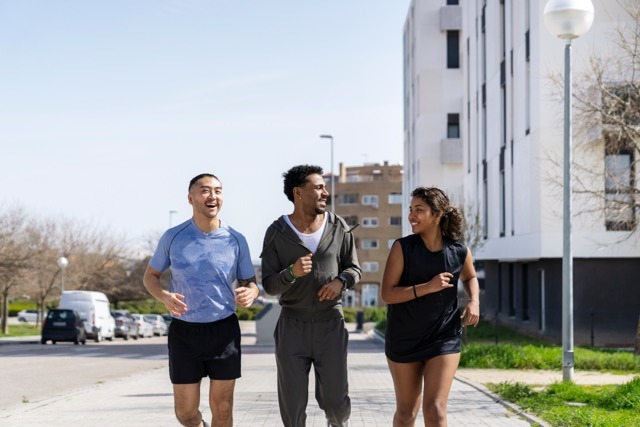
There are always indoor options to stay active, including community centers, public gyms and indoor play places for children. If you choose to exercise outdoors, try to do so during the early morning or later in the evening when temperatures are lower. During extreme heat, the hottest part of the day is often from 10 a.m. to 6 p.m.
What resources are available for people who need a place to cool down during extreme heat?
Clark County provides daytime cooling stations during periods of extreme heat where residents can cool down and get relief from dangerous temperatures. Residents can visit Clark County Cooling Stations for locations and hours of operation.
What is your advice about water consumption during periods of extreme heat?
Be mindful of your water intake at home as well as when you leave the house for work or errands. During extreme heat events it can be very easy to become dehydrated; it’s best to carry a portable water bottle for yourself and children if they are with you.
What simple steps can families take to protect children, older adults, and others who may be more vulnerable to heat-related illness?
- Wear lightweight, light-colored clothing, use sunscreen, stay hydrated and seek shade whenever possible.
- Be mindful of how hot it becomes in your vehicle; never leave children or animals unattended. Car seat ice packs are helpful in keeping children’s car seats cool when the car is parked.
- For infants, limit outdoor activities during the hottest parts of the day. Infants are less able to regulate their body temperature and cannot communicate symptoms of heat-related illness.
- If possible, have an HVAC tech check your AC system before the onset of any problems.
- Check in on family members, neighbors and friends who may live alone or have health conditions that increase their risk during extreme heat.
- Avoid excessive alcohol consumption and drug use, which can increase the risk of dehydration and heat-related illness.
Additional Articles
The Mind-Body Connection: Did You Know?

CredibleMind: A Free Resource for Mental Health and Well-Being

Five Ways to Reduce and Manage Stress