
Extreme heat arriving early in Southern Nevada
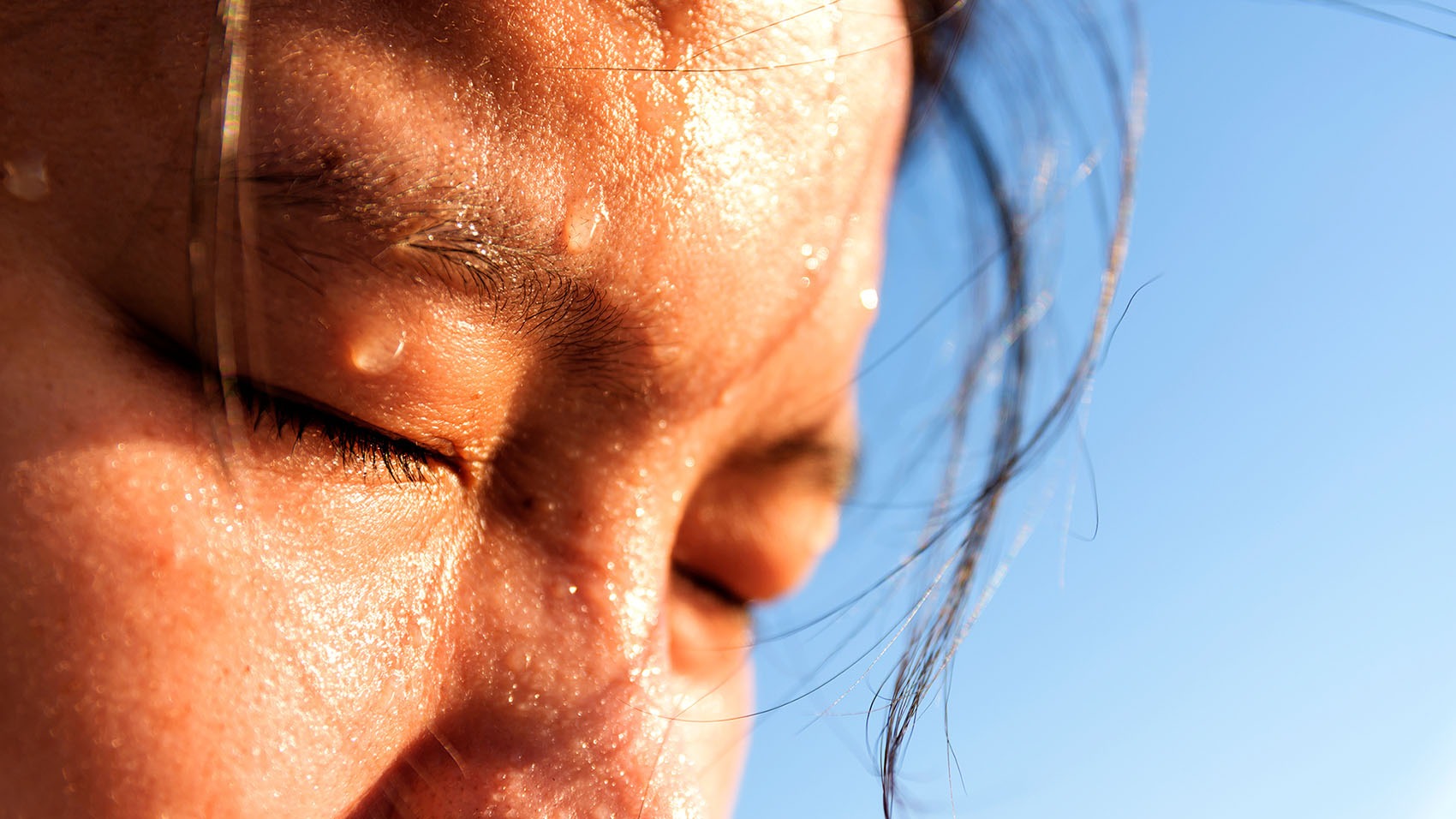
Triple-digit temperatures are expected to arrive earlier than usual this year, and the Southern Nevada Health District is urging residents and visitors to prepare now for extreme heat.
Why it matters
Southern Nevada’s desert heat can be dangerous, especially for older adults, children and people with chronic health conditions.
What we’re seeing
Recent weather trends show why early preparation matters.
- 2025 was the fifth warmest year on record for Las Vegas, with 77 days at or above 100°F.
- 2026 is already unusually warm. Through March 15, the average temperature was 57.6°F — the highest on record for this time of year.
- Forecasts show temperatures could exceed the all-time March record of 93°F at Harry Reid International Airport later this week.
Last summer also set records. 2024 was the hottest summer ever recorded in Southern Nevada, with an average high temperature of 107.6°F and a record stretch of days above 110°F, including a high of 120°F on July 7.
More than 3,500 emergency department visits in the region were related to heat exposure that year.
What health officials say
“Heat-related illness is a preventable public health issue, but one that disproportionately affects vulnerable populations — including older adults, individuals who use substances and people experiencing homelessness,” said Dr. Cassius Lockett, District Health Officer for the Southern Nevada Health District.
“With extreme temperatures arriving earlier than usual this year, it is important that residents take steps now to prepare for the heat and know how to protect themselves and their families.”
Heat-related deaths
In 2025, the Health District reported 284 heat-associated deaths in Clark County, a 45% decrease from the 513 deaths reported in 2024.
About 21% of those deaths involved non-Clark County residents.
The bottom line: While the decrease is encouraging, health officials say awareness and preparation remain critical to preventing heat-related illness and death.
Know the warning signs
Symptoms of heat exhaustion may include:
- Heavy sweating
- Pale skin
- Muscle cramps
- Dizziness
If symptoms worsen or heat stroke is suspected, seek medical attention immediately.
How to stay safe in extreme heat
Health officials recommend:
- Drink water regularly, even if you are not thirsty.
- Limit alcohol, which can contribute to dehydration.
- Carry water and a phone when outdoors.
- Avoid peak heat hours by scheduling activities early morning or evening.
- Wear lightweight, light-colored clothing and a hat.
- Use sunscreen to prevent sunburn.
- Check on neighbors, especially older adults.
- Never leave children or pets in vehicles. Temperatures inside a car can reach 120°F even when outdoor temperatures are in the 90s.
The campaign
The Health District’s “Beat the Heat Southern Nevada” campaign provides resources to help the community stay safe during the warmer months.
Fact sheets, public service announcements and safety tips are available in English and Spanish at www.snhd.info/BeatTheHeatSNV