
Meet the Team: Aquatics Program Q&A
As temperatures rise across Southern Nevada, the Health District’s Aquatics Program enters one of its busiest times of year. We caught up with Candice Stirling, Environmental Health Supervisor, to learn more about the work happening behind the scenes to keep pools and spas safe.
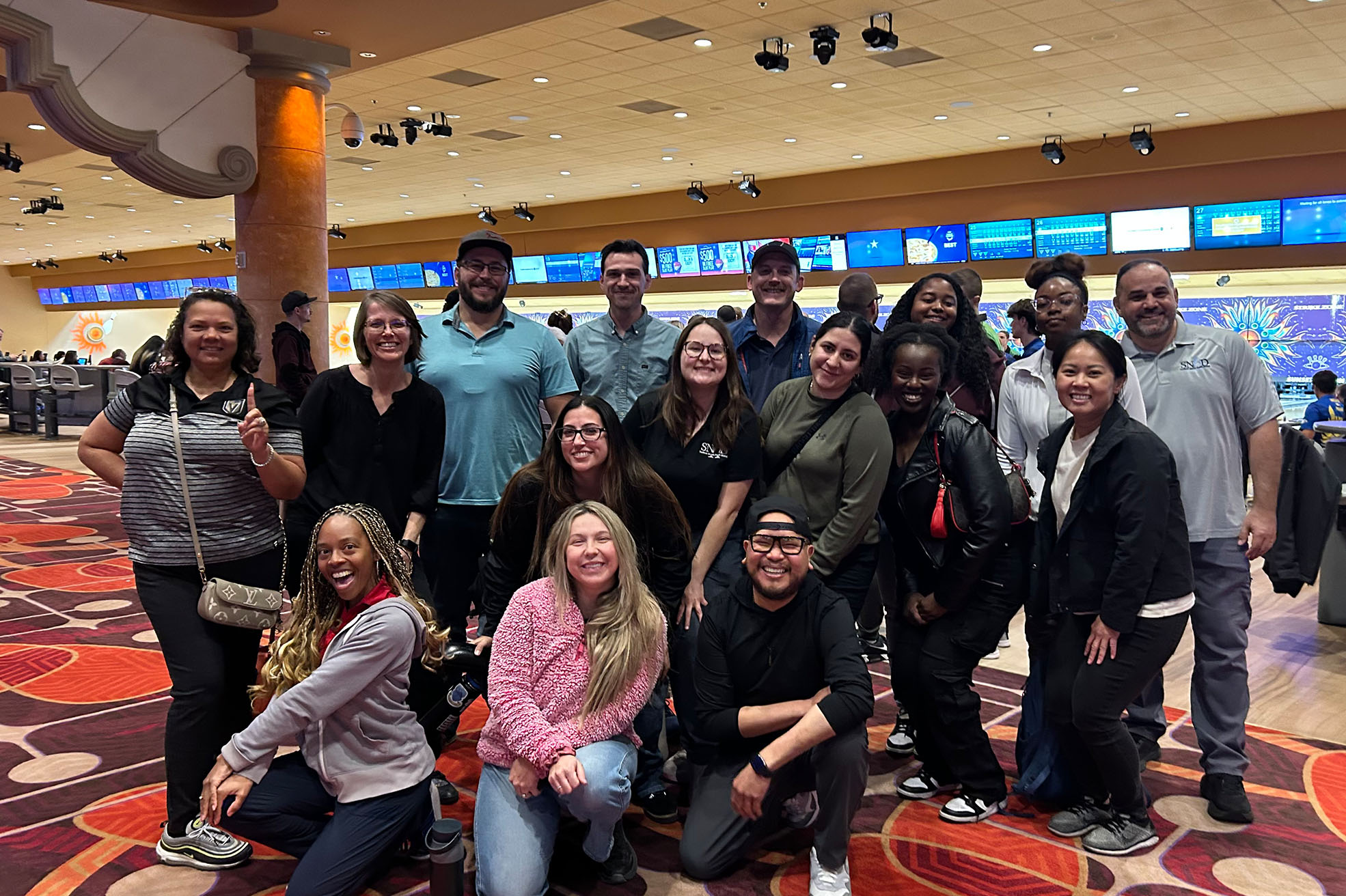
Meet some of the faces behind the Aquatics Program. The team conducts thousands of inspections each year to help keep aquatic venues safe for the community.
Is there really a “pool season” in Las Vegas?
Many aquatic venues operate year-round, but peak pool season runs from Memorial Day through Labor Day. During that time, our inspectors conduct inspections, investigate complaints and drowning and diving incidents, and perform compliance checks at lifeguarded pools and other high-use venues throughout the community.
What does a typical summer day look like for an aquatics inspector?
Our inspectors start early, often around 7 a.m., to avoid the hottest part of the day. They spend the morning conducting inspections and follow-up visits, then return indoors to complete reports, process inspection photos, review compliance schedules and prepare for the next day’s work.
What are some of the biggest challenges your team faces?
Like many inspectors, we sometimes encounter frustrated operators or property managers when a violation requires a pool or spa to close. Education is a big part of what we do. We work to explain the health and safety risks involved and what needs to be done to correct the problem and reopen the venue as quickly as possible. Inspectors also deal with extreme heat, equipment rooms that may contain spiders or scorpions, and locations that can be difficult to access when there are no staff available on site.
What are some common misconceptions about pool safety?
Many people think a pool isn’t properly chlorinated unless they can smell chlorine. In reality, a properly maintained pool should have little to no chlorine odor. Another misconception is that clear water automatically means the water is safe. Even clear water can contain germs that can make swimmers sick if proper water chemistry isn’t maintained.
What’s the most important thing people can do to keep pools safe?
Secure the pool and actively supervise children. Drowning is the leading cause of death for children ages 1 to 4. Proper barriers, self-closing and self-latching gates, secured pool covers and constant adult supervision can save lives.
Aquatics Program Fast Facts
- Approximately 5,100 permitted aquatic venues regulated throughout Southern Nevada
- About 4,000 inspections conducted annually
- Most common violations: improper disinfectant levels, improper pH levels, gates or doors that fail to self-close and self-latch, and broken drain covers
- Broken drain covers can create serious entrapment hazards and require immediate closure until repaired