



Women’s History Month: Women Who Shaped Public Health
Public health as we know it today was shaped by visionary women who improved health systems, advanced science and expanded care to underserved communities. From improving sanitation in overcrowded hospitals to advocating for informed consent and equitable access to care, these leaders helped redefine how societies prevent disease and protect population health. Their legacies continue to influence public health policy, practice and ethics around the world.
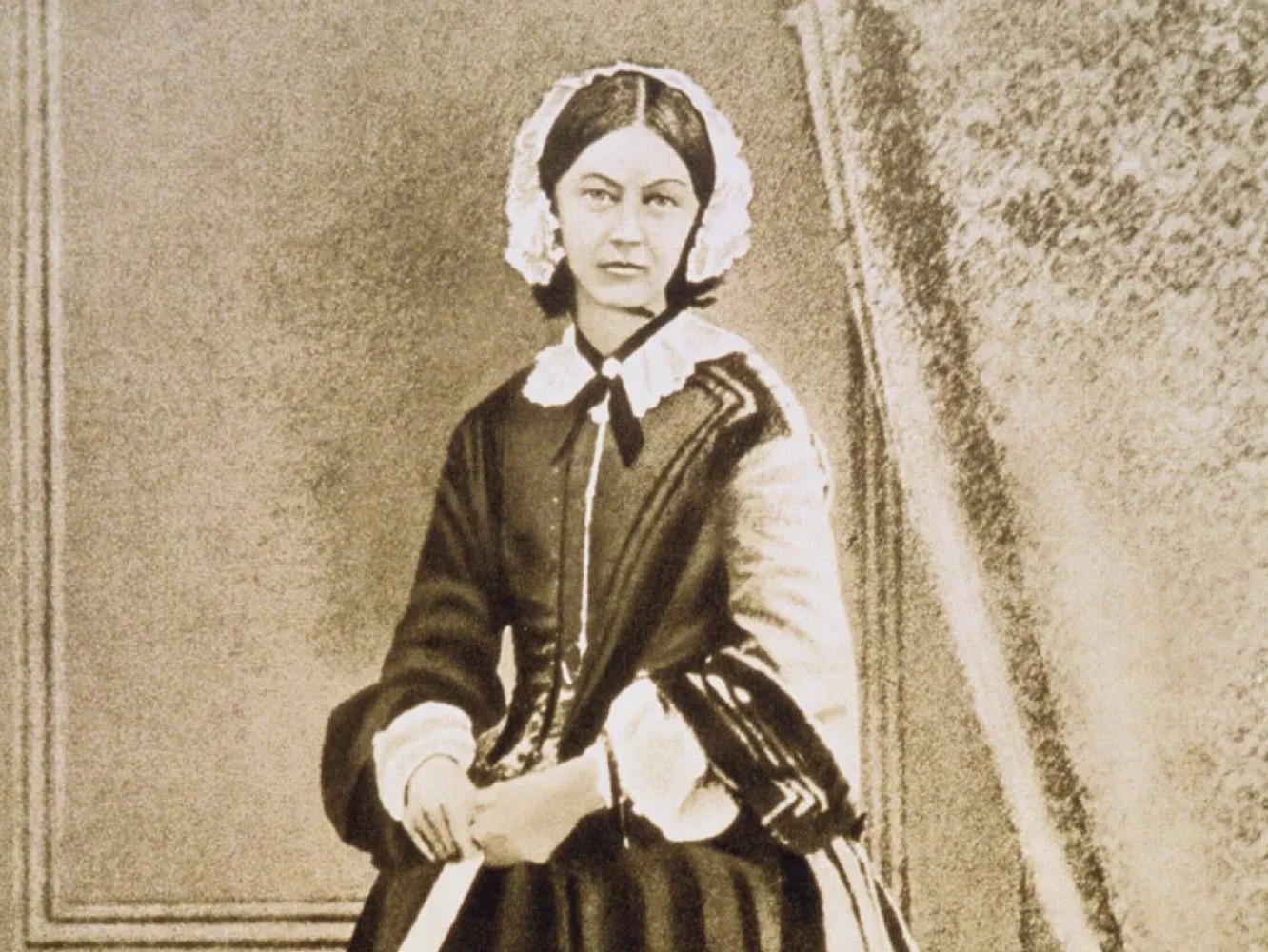
Florence Nightingale (1820–1910)
Often known as the founder of modern nursing, Florence Nightingale also played a central role in the early development of public health and epidemiology. During the Crimean War, she collected and analyzed data showing that unsanitary hospital conditions led to widespread deaths from preventable diseases such as cholera, typhus and dysentery, far exceeding fatalities from battlefield injuries. Her use of statistical graphics, including the now-famous “coxcomb” diagram, helped persuade military leaders to improve sanitation practices. These reforms significantly reduced mortality rates and influenced public health policy and hospital design for decades to come.
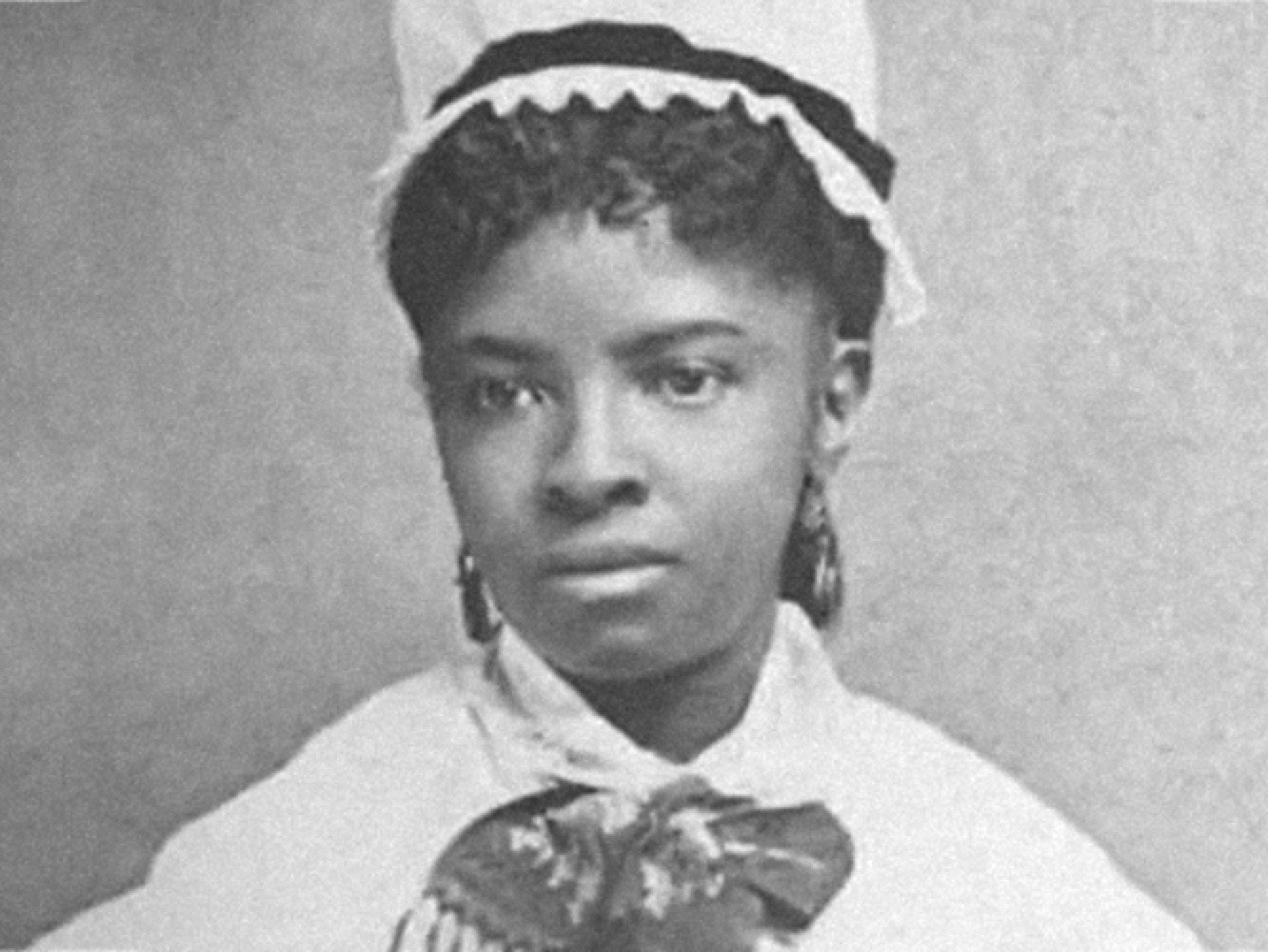
Dr. Rebecca Lee Crumpler (1831–1895)
Dr. Rebecca Lee Crumpler was the first Black woman physician in the United States and a pioneer in community-based public health. After the Civil War, she worked with the Freedmen’s Bureau to provide medical care to formerly enslaved people. Her book, “A Book of Medical Discourses,” documented maternal and child health conditions and offered practical guidance on preventing illness. Her work is often cited by historians as an early effort to address the effects of poverty and racial inequities on health outcomes, themes that remain central to public health today.
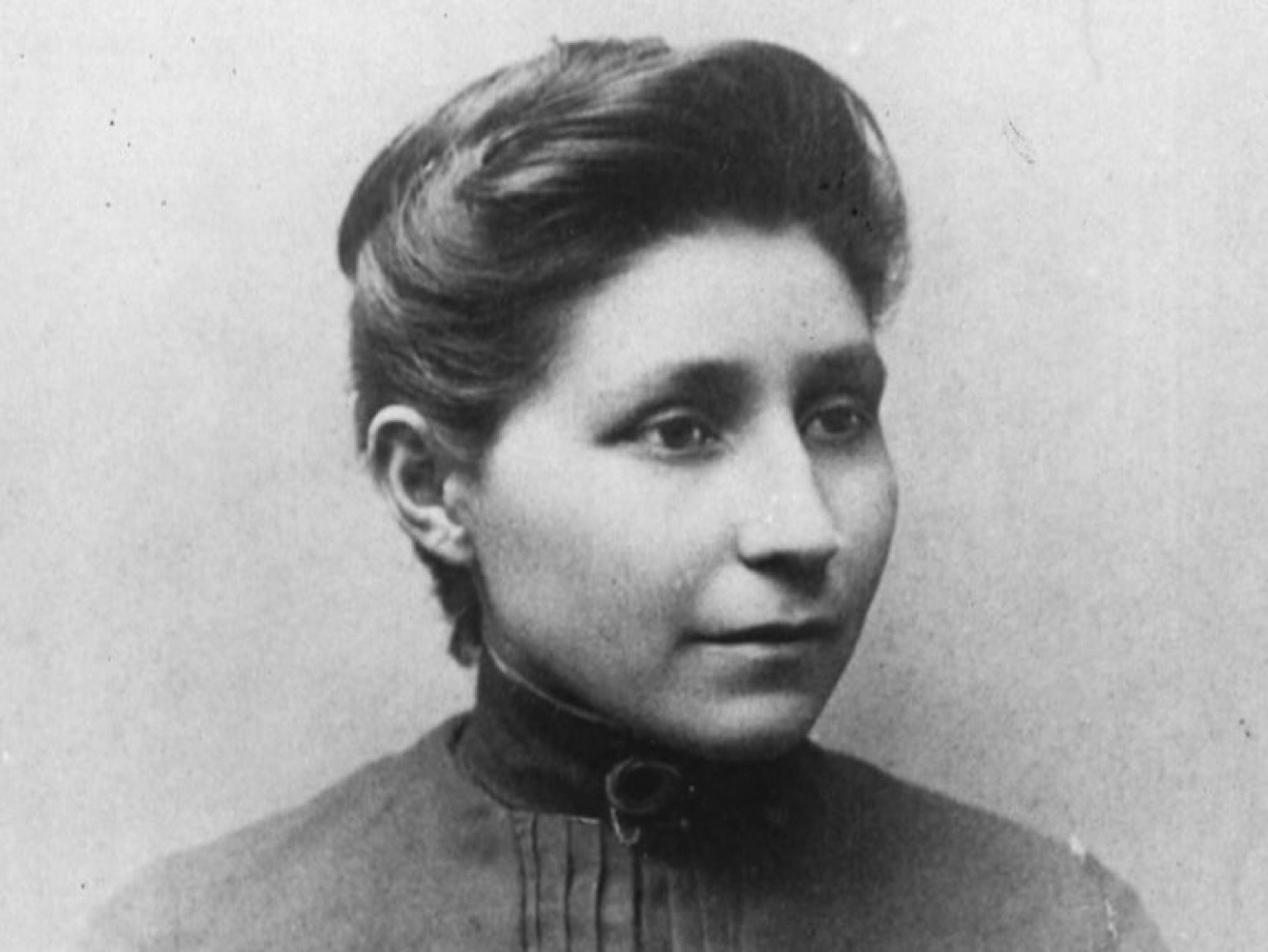
Dr. Susan La Flesche Picotte (1865–1915)
Dr. Susan La Flesche Picotte was the first Native American physician in the United States and a leader in public health on the Omaha Reservation in Nebraska. She worked to reduce infectious diseases such as tuberculosis by improving sanitation, housing conditions and access to medical care. Her public health efforts included discouraging the use of communal drinking cups and advocating for window screens to improve ventilation and keep out disease-carrying flies. In 1913, she helped open the first hospital on the reservation, combining clinical services with public health education. Her work emphasized culturally responsive care and community trust as essential to improving population health.
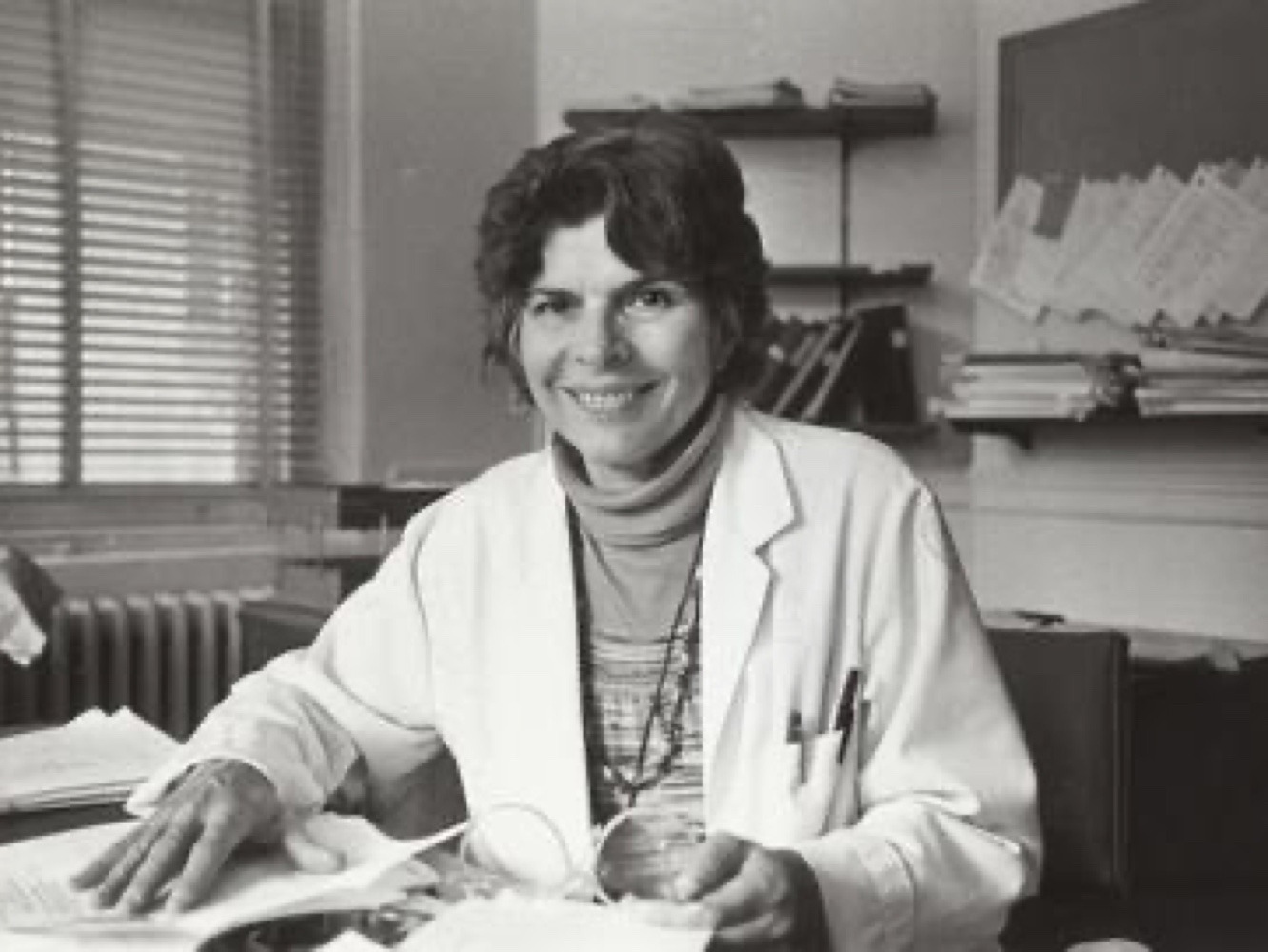
Dr. Helen Rodríguez Trías (1929–2001)
Dr. Helen Rodríguez Trías was a Puerto Rican physician and public health advocate who helped transform maternal and child health policy in the United States. She worked to expand access to prenatal care, HIV services and community-based health programs while challenging coercive sterilization practices. Her advocacy contributed to the establishment of federal informed consent standards for sterilization procedures. Her work helped promote community-based care and the inclusion of women in public health responses to HIV.