



Holiday food safety: Five helpful tips for a healthy season
The holiday season brings celebrations, shared meals and busy kitchens. It’s also a time when the risk of foodborne illness increases as we prepare large meals, entertain guests and may keep food sitting out during extended gatherings. To help keep our families, friends and community healthy, it’s essential to reinforce safe food-handling practices—both at home and at holiday events.
Cook foods thoroughly—especially ready-to-cook items
Many holiday favorites come in ready-to-cook forms such as refrigerated cookie dough, frozen entrées, pizzas or partially prepared dishes. Although these products may look ready to eat, they must be fully cooked according to package directions to eliminate harmful bacteria.Cooking foods to the proper temperature:
- Prevents foodborne illness
- Protects vulnerable populations—including young children, older adults, pregnant women and individuals with weakened immune systems
- Ensures a safer and more enjoyable holiday meal for everyone
Always follow the cooking instructions on product labels and use a food thermometer when appropriate.
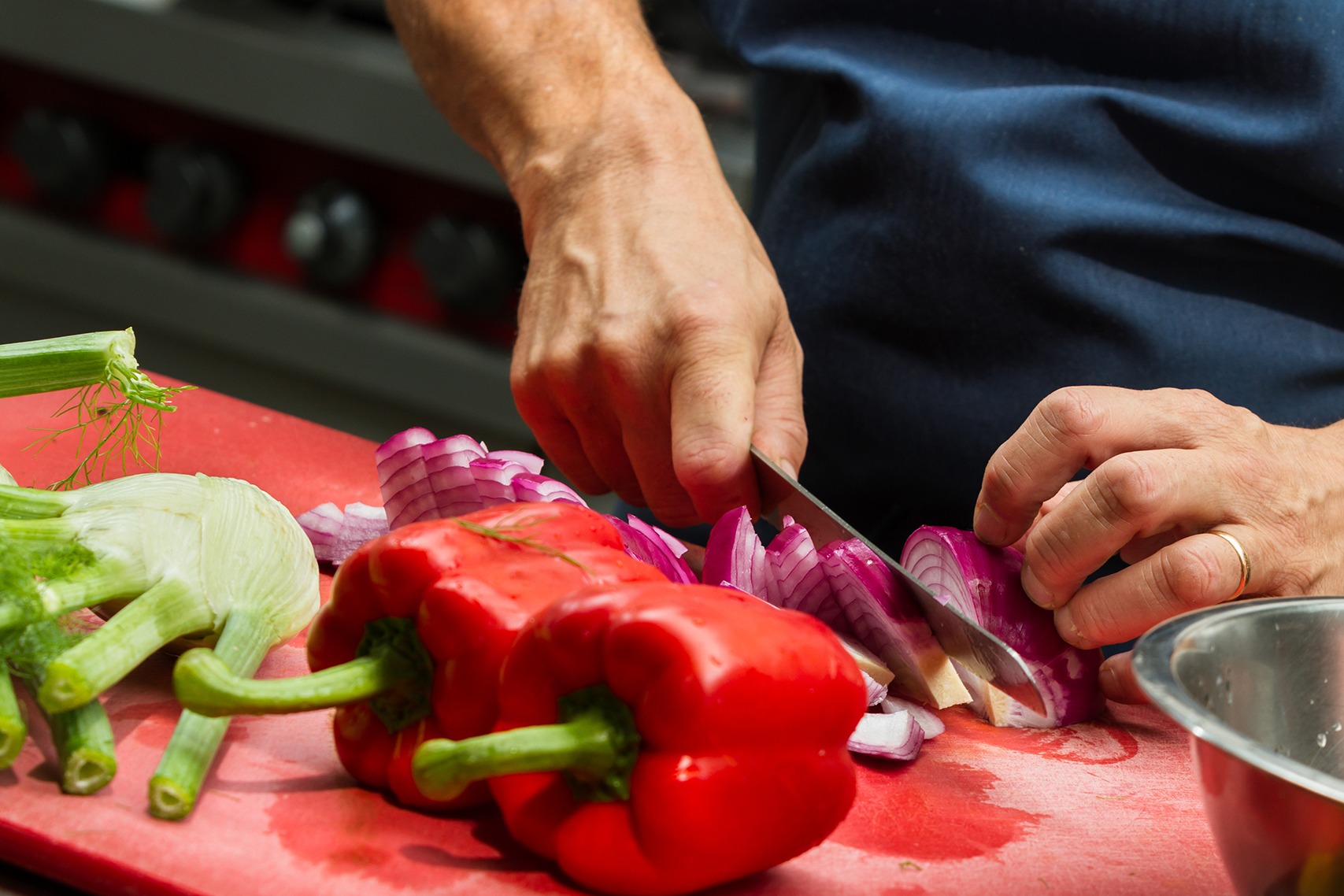
Keep the kitchen clean and organized
Busy holiday kitchens can lead to cross-contamination if surfaces and utensils aren’t kept clean. To reduce risk:
- Wash hands thoroughly with soap and warm water before, during and after food preparation
- Clean and sanitize countertops, cutting boards and utensils after contact with raw meat, poultry, seafood or eggs
- Use separate cutting boards for raw proteins and ready-to-eat foods
A clean work area supports safer cooking and reduces the spread of harmful bacteria.
Practice Safe Food Handling
Good habits during holiday meal prep make a big difference:
- Thaw safely: Thaw frozen foods in the refrigerator, under cold running water, or in the microwave—never on the counter.
- Avoid cross-contamination: Keep raw and cooked foods separate during storage and preparation.
- Refrigerate promptly: Do not leave perishable foods out for more than two hours (or one hour if the room is above 90 degrees).
These small steps help maintain food safety from start to finish.
Protect higher-risk individuals
Some people are more likely to develop severe illness from foodborne bacteria, including:
- Pregnant women
- Infants and young children
- Older adults
- Individuals with compromised immune systems or those taking immunosuppressive medications
Following safe-cooking guidelines is especially important when preparing food for these groups.
Safe Practices Extend Beyond the Holidays
While holiday meals involve special dishes and larger gatherings, food safety basics apply year-round. Taking a moment to read and follow package directions, cook foods thoroughly, and keep preparation areas clean helps prevent illness every season.
Wishing everyone a safe, healthy and happy holiday season.